Thursday, August 18, 2022

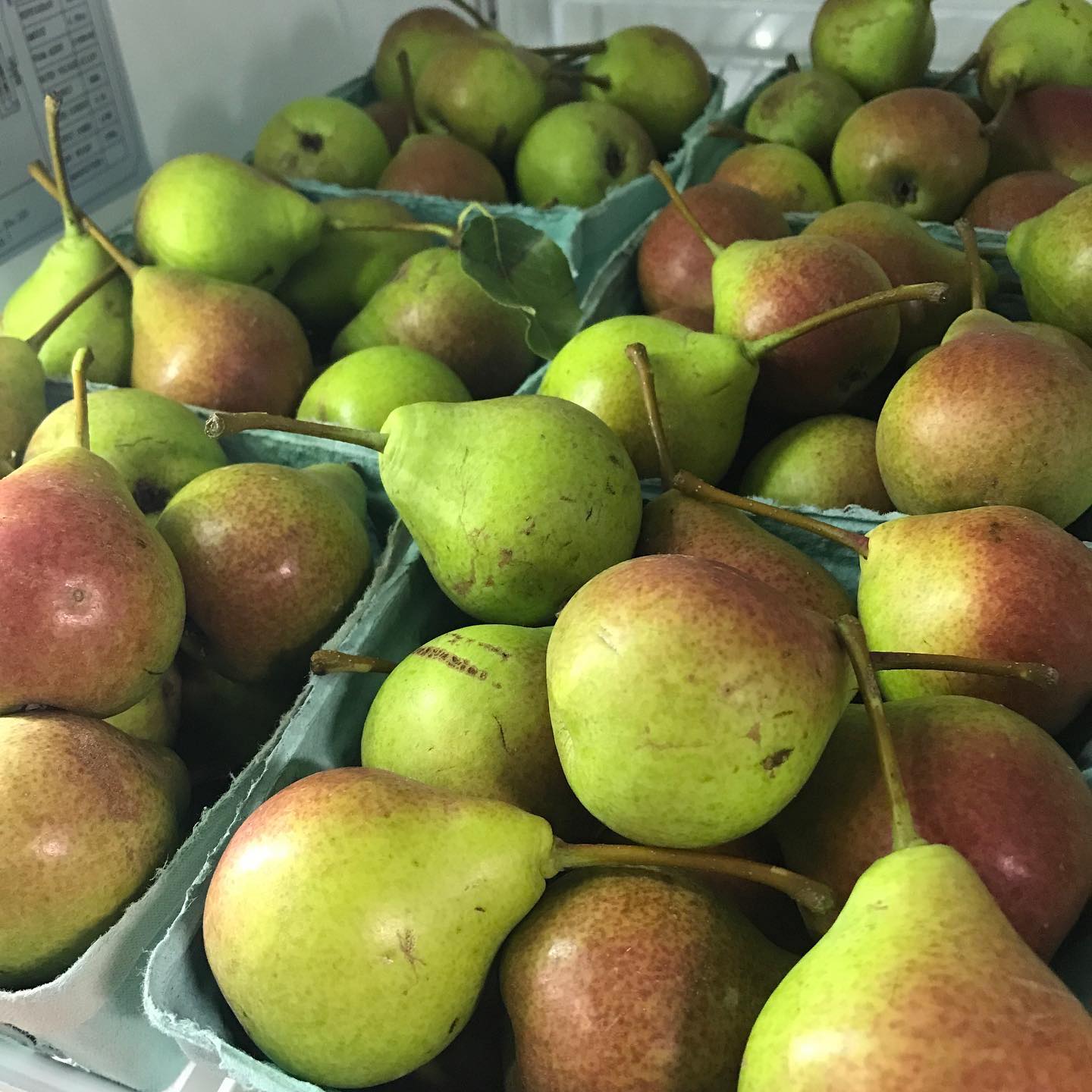
Pear :: Summercrisp


Pears :: Summercrisp

Early Season

Ripens
Mid-August

Characteristics
Small to medium, crispy pears (3″-3.5″ fruits) that are good for fresh eating. Red-blushed fruit with mild flavor and crisp texture strongly reminiscent of an Asian pear.

History
Introduced by the University of Minnesota in 1985.

Storage
3 weeks.

Notes
It grows at a fast rate, and under ideal conditions can be expected to live for 70 years or more. 

Wednesday, June 22, 2022

Freezing Rhubarb


Rhubarb is chock full of vitamin C, fiber, vitamin K, and several B-complex vitamins, rhubarb is low in calories (about 13 per half-cup serving). However, because it is so tart, recipes often call for sweetener to be added, which can raise the amount of calories.

Rhubarb Quick Tips

•One pound of fresh rhubarb = about 3 cups chopped or 2 cups cooked.
•Remove leaves and store rhubarb stalks in a plastic bag in the fridge for about a week. If stalks get limp, stand them in a cup/sink of cold water for an hour.
•Not into canning? Chopped rhubarb can be frozen for up to six months (or so).
•Because of its acidity, rhubarb will turn your pan brown unless you cook it in a stainless steel or enamel-coated cast iron (non-reactive pans).


Freezing Rhubarb is Easy!

Give your rhubarb a rinse, to remove any dirt or grass.
Trim off ends and any bad spots.

Chop into pieces about an inch long and spread out on a cookie sheet in a single (or there abouts) layer. Pop those sheet pans into the freezer! Once the rhubarb is frozen transfer into a freezer container of your choice. If using freezer baggies, or tupperware, use within 3-6 months. I prefer vacuum seal bags and aim to use within one year.

You may want to portion the rhubarb into amount for your favorite recipes. You can even note that recipe on your container. A triple batch of strawberry rhubarb jam calls for 6 cups, so I always do a few in that amount. Don't forget to write the date on the bag!

Rhubarb may also be canned, dehydrated or freeze dried.

Using Frozen Rhubarb

When we use frozen rhubarb we just throw directly into the recipe, no need to thaw. It may be a bit watery when thawed. Nothing coming out of the freezer is going to be like the fresh product, but it's going to taste great and do the job!!

Tuesday, June 21, 2022

2022 Apple Shares

 Fall Apple Share Offerings for 2022


Each week enjoy a 4 lb bag of fresh & local apples.
Each bag sports 1-2 varieties of our organic apples. A mix of standard, lesser known and old heritage types - 2021 harvest included 33 varieties! We'll send out a short weekly newsletter, with apple facts, orchard notes and a recipe. Begins the first week of September.

Three pick up locations:
A.R.F. farm store (Th., Fri., or Sat.) - 6 or 8 weeks
Nature's Pantry Farm (Th., Fri., or Sat.) 6 or 8 weeks
Saturdays at the Mankato Farmers Market - 6 weeks

$54 :: 6 week Fall Apple Share
$70 :: 8 week Fall Apple Share *best price

*4 lbs not enough? The option to sign up for 2 shares is available.

*New Bonus ... One week opt for a 10lb bag of seconds instead (great for preserving). Also, get first dibs on other Fruit Shares that may become available (raspberries, plums).

Add to your Fall Apple Share Experience
Add on apple products and Winter Apple Shares.

Apples Plus!  ::  $36
Add more apple goodness to your Fall Apple Shares - includes 3 apple butter and 3 applesauce - 1 delivery, picked up with your with Fall Apple Share. Available for Fall Apple Share members only.

November Apple Share  ::  $22
A 10 lb bag of table apples for fresh eating, baking or preserving. Primarily late-season storage varieties. This share will land 2-3 weeks following the 8 week Fall Apple Shares and 1-2 weeks before Thanksgiving.

December Apple Share  ::  $22
A 10 lb bag of table apples for fresh eating, baking or preserving. Primarily late-season storage varieties. This share will land a month after the November Apple Share and 1-2 weeks before Christmas.

Storage Bushel  ::  $84
Stock the larder for winter! Receive a waxed box containing 40 lbs of table apples to store for fresh winter eating, at wholesale price. Final reservations made in October, for pick up by arrangement in early-mid winter.

Applesauce Share  ::  $76
A dozen jars of our clean-eating applesauce. Made with our delicious organic apples, a touch of local honey and organic lemon juice. Choose preferred month of pick up.

Apple Butter Share  ::  $22
A 4-pack of our Sweet Cider & Spice Apple Butter. Made with our organic apples, organic spices and a touch of local honey. Great to spread on toast, dress up oatmeal, yogurt or pancakes, or to craft into a delicious BBQ sauce for your ARF pork! Choose preferred month of pick up.


Please contact us at info@alternativerootsfarm.com or via Facebook with any questions.


•     •     •     •     •     •     •     •

Check back for updates, or join our email list and have them delivered to your inbox. 

Wednesday, April 27, 2022

Freezing Asparagus


I'm keeping a keen eye on the asparagus patch, ready for those delectable spears to start popping up!

This is one, of many, items that we do not buy out of season, so freezing what we can is a priority. Freezing what we don't devour fresh that is!

Asparagus can also be pickled, but my personal favorite way to preserve it is by freezing. The most difficult thing about freezing it is making sure it doesn't get lost at the bottom of the freezer!

Equipment Needed:

Asparagus, knife, towels, pot for blanching, cookie sheets, vacuum sealer & bags/freezer baggies.

Freezing Asparagus

Gather your asparagus, harvesting from your patch or purchasing at our farm store, or the local farmers market. Ideally you will use fresh spears with tight tips.

Rinse and sort into sizes. Trim tough ends and cut into even lengths for freezer containers. I am usually snapping them in half, or thirds and bypassing the use of a knife .

Get your pot of water boiling and blach small spears 1.5 minutes, medium spears 2 minutes and large spears 3 minutes.

Blanching is just a quick boil that is important for cleaning dirt and microorganisms off food, reducing enzyme activity that can ruin fresh flavors and it helps to retain vitamins.

Immediately cool - sink or bowl full of cold or ice water - then drain, or lay out on towels to dry a bit.


From there you can put your asparagus directly into your freezer containers for storage OR you can lay out on cookies sheets and freezer spears before final storage. This is my preferred method.


After the spears are frozen I prefer to transfer to vacuum sealed bags with 1-2 meals worth in each bag. When the spears are frozen ahead it is much easier to just remove what you want, instead of dealing with a frozen blob.

Make bags a little larger than needed, so they can be washed and reused, reducing waster. Don't forget to write the date on the bag!! Since I just do asparagus once per year, I just write the year for this crop. Use within 6 months to a year. (Literally they will be fine longer, but they may not have as much nutrition.)

You can also just pack into freezer baggies, or jars, but they will have a shelf life of more like 3-6 months, since the air is not removed.

I highly recommend a vacuum sealer! It's a great investment.


Preparing for Preservation Season

Spring is not being shy anymore. Garlic is up, birds are making nests, gardens are being planted.

Now is a great time to prepare yourself for the coming seasons opportunities for preservation. Spring brings some opportunities to preserve, summer adds more and late summer/fall give you opportunities every direction you look!

There are a few things I suggested to help prepare (physically and mentally) for a successful preservation season: 

  • Tidy your storage space. 
  • Tally your equipment needs.
  • Take note of your priorities.


Tidy Your Storage Space

Organize and clean your pantry space(s), as well as your freezer(s). This means rearranging as needed, discarding as needed (didn't eat that 2014 canned kohlrabi? bag didn't seal well & is freezer burnt?), and eating things up!

My pantry grew in two locations last year, so I am working to condense to one. As I'm organizing my jars I'm taking mental notes.

This is the time of year where I like to empty, clean and defrost freezers, as necessary, which really helps to take a look at all stock. We have one large chest freezer (things can get buried), one small chest freezer (generally meat) and one upright freezer (meat). The upright needs defrosting. There are two-year-old tomatoes and stew hens in the large freezer that need using BEFORE I throw more on top.

This tidying could also mean organizing your supplies to be more accessible, or into one area.

What do you need to do to prep your pantry/freezer/storage spaces?


Tally Your Equipment Needs

For beginners and veterans alike, it's a great time to look through your preservation equipment to see what you are in need of adding, or restocking. Think through each one of the preservation methods you use - or want to start - and make sure you are picking up items that will be necessary.

You don't want to get berries on the stove for jam and realize you don't have enough pectin!

Canning Items: pressure canner, water bath canner, hows the canner seal?, jar lifter(s), funnel(s), lids, rings, jars, pectin, timer, canning books, etc.

Freezing: vacuum sealer, freezer baggies, cookie sheets, ice cube trays, etc.

Dehydrating: dehydrator, trays, fruit leather trays, mandolin, packaging, etc.

Then there is fermenting, freeze drying, curing, and so forth.

You may also need bulk spices, salt, apple cider vinegar, etc. for things like pickling or pesto. Check out Azure Standard for a great bulk buying option we just love, supporting a great company.

What equipment do you need to pick up new? Replace? Add to current inventory?

Take Note of Your Priorities

While you are cleaning your pantry and freezer be taking notes to inform this year's preservation needs. What did you run out of early and need to preserve more? What do you have an abundance of and need to preserve less, or not at all?

Then think about your personal needs. What are the kids devouring at this time that you could preserve and save money? Do you want to freezer extra berries for winter jam making or smoothies? Prioritize items that you know you will use, have easy access to, will save you money and bring you joy.

Freezer space still looking really full? Maybe you need to prioritize canning. Maybe it's even time to try canning meat! 

Have limited storage space? Perhaps dehydrating is the way to go.

Pregnant or have a little one? Don't forget about baby led weaning supplies for down the road! I can't tell you how grateful I am putting up fruit for a toddler!!

Think ahead for other things like holiday gifting, parties, picnics, etc.

Use this list to plan your garden, preservation plan, local foods plan and more.

What are your biggest priorities? Is there are farmer you need to be in touch with to help you meet your goals? Is there something you can grow to help with these priorities? 


Creating Intention

Taking the time to prepare yourself, creating that intentional space for a successful preservation season, really will pay off. Looking through what you have put up previously makes you proud, puts you more in touch with your needs and creates gratitude. Taking care of your equipment and storage spaces will reduce stress in busier times, avoid unnecessary hiccups and help you be ready for a bumper crop. 

Overall you will be more prepared and your future self will thank you.

Wednesday, April 20, 2022

Making a Citrus Vinegar

It's the tail end of citrus season, make use of those peels and save yourself a few bucks on cleaning products!

Make an easy citrus vinegar!


Citrus Vinegar

Grab these...
•Quart jar
•Citrus peels - orange, mandarin, grapefruit, lemon
•White distilled vinegar

Cram peels in a jar and top off with the vinegar. 

Steep at least two weeks, two months is more recommended, but no more than three months. Strain concentrate into a clean jar.

For cleaning, dilute 1:1 with water and use on vinegar-safe surfaces (not granite, etc.). 

For carpets, spray and blot (do a test patch first). 

Use 1/2-1 C concentrate to 1 gallon of water for floors.


Citrus contains d-limonene, which is a natural solvent, making it great for cleaning.


Monday, March 7, 2022

Putting Up Potatoes

Let’s talk taters!
The ease of growing, harvesting, storing and cooking potatoes makes them such a great crop! I love the adventure of digging potatoes, discovering what has grown.
In our garden I plant an early variety for fresh eating, a mid-season for short term storage and late season for winter storage. Late season and storage varieties will store best, after proper curing.
Potatoes are stored in our basement/pantry in mesh bags (about 10lbs each), with two or three thrown in a wooden box with ventilation or a bushel basket (pictured) - I line it with a burlap bag, then throw another over top to keep them in the dark. Then start to process them once they get sprouting. Ideal conditions are 36-40 degrees and 90% humidity - just do the best you can!


Potatoes can be processed a variety of ways for keeping. Usually I take the easy route and make mashed potatoes to freeze for easy meals! Twice bakers can also be prepped for freezing, as can shredded potatoes for hashbrowns.


Dehydrating potatoes is another great option. Slice up and dry; rehydrate in water to use as desired, or toss straight into soups. I would also like to try dehydrating mashed potatoes (without any dairy) to crumble up and have on hand for instant mashers!


Potatoes can also be canned! This is a project I’d like to try with the last of our alien sprouting potatoes. This fall I canned beef stew, which turned out amazing and it’s a nice idea if you have a few to use up.
I’d love to hear any other ideas you may have! Pop ideas and any questions in the comments below!
My fav place for buying seed potatoes is The Maine Potato Lady! This year we are growing Nicola, Natascha and Canela Russet. Mountain Rose is my FAV early variety. Green Mountain is my fav storage variety.