Monday, March 10, 2014

Fresh from the Farm

What wonderful weather we had yesterday! The anticipation of spring could be felt and seen all weekend. Folks were headed to the Farm Show to look at spring chicks, farmers on facebook are posting prolificly about their joy of being back in their greenhouses, and the yard melted down to a patch of grass!

ARF goods at the market.
We had a table at the indoor market on Saturday, at the new Co-op building, with CSA and Farm Shares, red onions, shallots and flint corn. It was great to be out of the house connecting with people about food. We really love that about market--chatting with our community members. It seems people are really thinking more about spring, as we welcomed a handful of new members over the weekend.

Welcome Linda & Patrick, Susannah/Cassandra, Anita & family, Donna & Dan, Alica & Daryl & kids as CSA Members! Welcome Joe & Elizabeth as Farm Share Members! We are so looking forward to sharing this season with you :)


It was so nice out the chickens were roaming all day. Well mostly one brave chicken, but the fresh air is good for all!

John was out at the orchard for a good part of the day Sunday doing this season's pruning. This year marks the last year of more heavy, restorative pruning (the third year). Even at this time of year John can get a decent idea of what trees may produce like this season. This year's growth and apple production actually starts in the fall, before going dormant for the winter.

Orchard with pruning piles
Seed starting begins this week! Celery is the first item and several more veggies and fruits will be started before the end of the month.

If you check out the latest issue of the River Valley Woman you'll find my first article for the mag in the Good Taste section. Let me know what you think, or what else you would like to read about local foods in the river valley area.

That's about it for now! I tend to do a lot more posts on our facebook page, but I don't want to forget about you non-facebookers, so I'll keep the blog more up-to-date. As spring ticks forward there are many more exciting things to report about!

Vera and Lilly. The snow's so deep we are looking down into the pen!
Always end with a cute pig picture :)

Thursday, March 6, 2014

On Raising Our Own Meat

The arrival of pigs on the farm again completes the full cycle of our first experience raising our own meat. As I see it, the cycle didn't end with the trip to the butcher shop, or the first pork chop dinner, but with the return of live pigs, full knowing what lies at the end of their long and joyful road. Last February we had welcomed our first herd to the farm, they were intertwined with our daily lives until harvest at the end of October. There is no question, John and I both agree that it was one of the most amazing and meaningful experiences in our lives.

Our 2013 herd, 7-mo. old feeder piglets. Daisy, Lauren, Jaymey,
Yoda and Oliver were raised with much love, open air and freedom (and many, many apples).
Before the end of the season we knew we wanted pigs again this year--the farm will no longer feel complete without animals, pigs in particular. There were difficult times, especially at the end. Tears were shed, more than once. No regrets were had, ever. And the meat? Amazing. The first pork chop dinner John made with our homegrown, pastured meat was delicious--we high-fived each other three times during that meal.

Pigs are affectionate, social, lovable creatures.
While raising our own meat was the main intention for this venture there were other benefits as well. We wanted to grow our own meat, because we would know exactly how it was raised--humanely, in the fresh air, no hormones and the freedom to live as the animals that they are. It is just wrong to raise animals in confinement barns, better called concentration camps, it's unnatural, unhealthy for the animals and people who consume them, and bad for the environment.

Pigs on green grass, the way it's supposed to be.
The pigs provided another benefit by closing the loop on the farm. By this I refer to a cycle of nutrients and a reduction in waste. Extra, bad and damaged produce, thinnings and trimmings went to the hogs, whom received them happily. Their bedding, which contains some manure, is applied to the field at the end of the season--adding organic matter and nutrients back to the soil. Last year they were put out on the barley field, after harvest, to clean up grain and spread their manure.

Those lucky hogs also had tickets to an unlimited apple buffet. The other main reason we decided to try pigs (aside from meat production) was for pest management at the apple orchard. Cleaning up the fallen apples at the orchard disrupts the pest cycle--extremely important in organic production. The pigs spent two weeks at the orchard in 2013 assisting in pest management. A couple trailer loads of apples were also brought back to the farm for them. Now, not only are we removing the downed apples, but we are able to make good use of them too. And the pigs were happy to help.

The piggies helped me with a Schell's photo contest.
The pigs brought therapeutic benefit--providing stress relief, affection and connection. Even in the middle of the hardest work, or the beating heat of summer a visit with the pigs would lift spirits and invite laughter. Every day we could watch them on pasture, which was a clear picture of the difference we are making in our little corner of the world. The pigs loved belly rubs and it was not uncommon to go in their pasture only to have two or three of them flop down around you for their turn. As soon as we went out to work in the morning we would wait to hear those first oinks of the day, and they always brought a smile.
The pigs grown and ready for harvest.
Having the pigs on the farm became the best way to get Emily, our teenager, involved. Although she wanted nothing to do with vegetables and weeds, bringing animals to the farm created a connection with her. This is a sure way that she will be outside each and every day, nurturing the pigs, and now chickens as well. That alone is worth so much. She now regularly takes her favored chicken, Bonita, for "walks" and has introduced her to the new piggies.

Vera and Lilly settling into their new digs.
Enter Vera and Lilly. We are already madly in love with these ladies. They have wonderful dispositions, they are playful and affectionate. The girls are sisters, two years old and a mix of 75% Ossabaw Island and 25% North American Guinea Hog, both smaller, heritage breeds. They were bred to Professor Beefcake in February and should farrow (give birth) this June. What exciting times we have ahead of us!

Lilly and Vera saying hello to the camera.
As we tend to and grow our herd we strive to give them the absolute best possible lives they could have, and we take pride in doing so. It is challenging work tending animals--they are live, active beings that are much different that kale and tomato plants (and tomatoes just aren't as playful). The experience of raising our own meat has been, and continues to be highly rewarding and invigorating. Being able to care for these precious animals is a gift. Putting nutritious and healthy meat in the freezer is a blessing for our family. Educating our community by sharing our story is invaluable. 


For videos of the pigs, and other farm happenings, head over to our new YouTube channel.

Don't forget to follow us on facebook, there are sure to be regular piggie pictures.

Sunday, February 23, 2014

{Field-to-Table} Flint Corn

If you have been to visit our table at the co-op's indoor markets over the last couple of months you would have seen bags of multi-colored corn kernels. A rainbow of colors from red to blue, yellow and even striped. All these kernels came from the same variety of corn--Mandan Bride--all could come from the same ear. This will be a fleeting winter treat for market-goers and a special treat for this year's CSA and Farm Share customers. Our Mandan Bride, as well as our (red and yellow) Roy's Calais flint corn will not be at summer markets.

Preparing for market with shallots and heirloom flint corn.
I recently re-read an article John found last year The Search for Mandan Bride and along with our recent sales of flint corn I wanted to highlight just how awesome this corn is. Last season was our first experience growing flint corn, with the intention of using it for cornmeal and animal feed. In the fall, the first corn we ground up (using our coffee grinder) was made into cornmeal muffins. I was amazed and delighted how much of a difference you could taste in fresh, heirloom, homegrown cornmeal. Store bought is no comparison.

"One key factor in the variety’s delicious flavor, Van Eeckhout told me, was that the corn was freshly ground. But even more importantly, it was ground whole. Most commercial cornmeal is made from yellow dent corn, or field corn, which has much tougher outer hulls on each kernel than the sweet corn we eat as a vegetable. Those fiber-rich outer hulls and the protein- and fat-rich core of each kernel—called the germ—are removed before grinding, robbing the cornmeal of nutrients—and flavor. Mandan Bride ears contain a combination of flint kernels (which are enclosed in hard shells) and flour kernels (made entirely of soft starch), adding interest and substance."

2013 flint corn stand
We trialed three different varieties of flint corn in 2013--Bloody Butcher, Roy's Calais and Mandan Bride. The very tall stand pictured is Bloody Butcher, which performed poorly at our site and we are not interested in trying again at this time. On the right is the Mandan Bride, which we were very happy with.

"It’s also, according to Van Eeckhout, “a real pain in the butt” to grow...weak stalks tip over before the corn has dried...So it must be picked by hand—never mind the laborious process of shucking, drying, and grinding."

The process of harvesting and processing this corn was indeed rewarding. It's nice that the harvest comes all at one time in the fall. John and I enjoyed walking through the rows, catching up in the evenings oohing and awing over the brilliant colors as we picked.

"All this corn was shucked while watching Sons of Anarchy or Breaking Bad." John wrote on a card accompanying a Christmas gift of flint corn to a friend. Netflix has indeed been a helper during such shucking and sorting exercises.

We may grown some flint corn for 2014, on a smaller scale, but we have to be conscious about the rotation, as corn is hard on the soil and our space is limited.

John holding an array of flint corn cobs.
One of the benefits of being small, independent, and organic (in transition to organic certification) is that we get to choose what we grow, we get to experiment and trial unique items. Last year also ended up being a great year to grow this corn, as we were surrounded by a sea of soybeans, not corn.

A customer stopped by yesterday at market and commented, just as the author in that article, that her polenta was exceptional and she really enjoyed it. We haven't tried making polenta at home yet, simply cornmeal muffins and pancakes, but it's on the list of new things to try!

Alternative Roots Farm will be at the New Ulm Community Market and Cooperative's indoor market again on March 8th, 9am-1pm. Stop by and pick up some flint corn, it may be your last chance in 2014!

Brooke at market, with Megan Burris, owner of
Imbue Botanicals. Photo courtesy of Megan.

:: The Latest from {Alt.Roots} ::

• Newest Farm Newsletter: February Farm News •

• CSA Shares still available :: Full Shares, Half Shares, Monday & Wednesday delivery •
• Farm Shares still available :: 3 remaining, $100 or $150 amounts •
Call or email to reserve a share!

• Why Heirloom? •


Quotes from The Search for Mandan Bride, Minnesota Monthly, Nov. 2006

Saturday, February 1, 2014

In the Kitchen :: Dry Beans

Homegrown 'Hidatsa Shield Figure' beans soaking.
One way we have tried to be more savvy in the kitchen is by utilizing dried beans.

It has taken us some getting used to the routine--remembering to start soaking the beans the day before, keeping a variety of dry beans stocked--but now it is a staple in our kitchen (and pantry).

 As I find, over and over, with these sorts of food and homesteading goals you have to have patience and keep trying until your goal becomes a habit. Changes to your food lifestyle, whether it's beans or eating more veggies don't come without challenge and often there is some spoilage in the process, it's okay.

Why cook dry beans? Initially I believe we wanted to incorporate more beans because we ate a low meat diet, so this was a way of incorporating more protein, but there are so many good reasons.

Cooking a mix of heirloom dry beans.
Dry beans fit the budget. They are very economical. Buy them in bulk and you may be able to buy a pound of beans for the cost of 4-5 cans of beans! Don't forget to check your local farmers' market in the summer for local dry beans too.

Reduce packaging waste. Those bulk beans have a lot less packaging. You can put them in whatever cool jar you have around the house, or even make them a decorative item in your kitchen.

We store our dried beans (store bought or homegrown) in ball jars, or other
reused jars. Easy to see what you haveand pretty! You can often bring
these containers to refill right at your co-op.
Reduce your sodium intake. Canned beans have higher amounts of sodium. An alternative is Eden brand canned beans which contain no added salt, instead they use kombu seaweed.

Avoid BPA. Many canned goods have bisphenol-A  (BPA) in their can linings. (Eden does not.)

Use them for any meal. Breakfast burritos, salads, soups. Which makes them a great item to make if you do a prep day over the weekend for weekly meals.

They are pretty hands-off. Throw some dried beans in a bowl and cover them to soak--ignore them until its time to cook them. When it's time to cook, drain the beans, then throw them in a crock pot with new water--ignore them until they're done!

Here are a few resources for your future adventures with dry beans. If you have any favorite tips, tricks or recipes share them in the comments!

Dry beans headed for the pantry.

•Making the Basics: cooking with dried beans
•Tips for making beans easier to digest
•Heirloom Dry Beans
•"Add Salt When Beans Are Just Barely Tender: Adding the salt at the beginning of cooking can sometimes prevent the starches in the beans from breaking down, so they'll be a little over-firm even after long cooking. The best time to add the salt is when the beans are almost finished cooking. When they are tender enough to eat but still too firm to really be enjoyable (aka, al dente), add the salt."
-theKitchn

Tuesday, January 14, 2014

2014 Shares Now Available!

2014 CSA and Farm Shares are available now! 

Fresh • Sustainable • Organic methods • Local

:: CSA ::
Full and Half Shares are both available--Full Shares are delivered every week for 18 weeks, and Half Shares for 9 weeks, every-other week. Home or workplace delivery is available. All CSA Shares will be delivered on Mondays and Wednesdays. New this year, we have added a couple of "boosters" to enhance your experience, as optional add-ons to your traditional CSA Share.
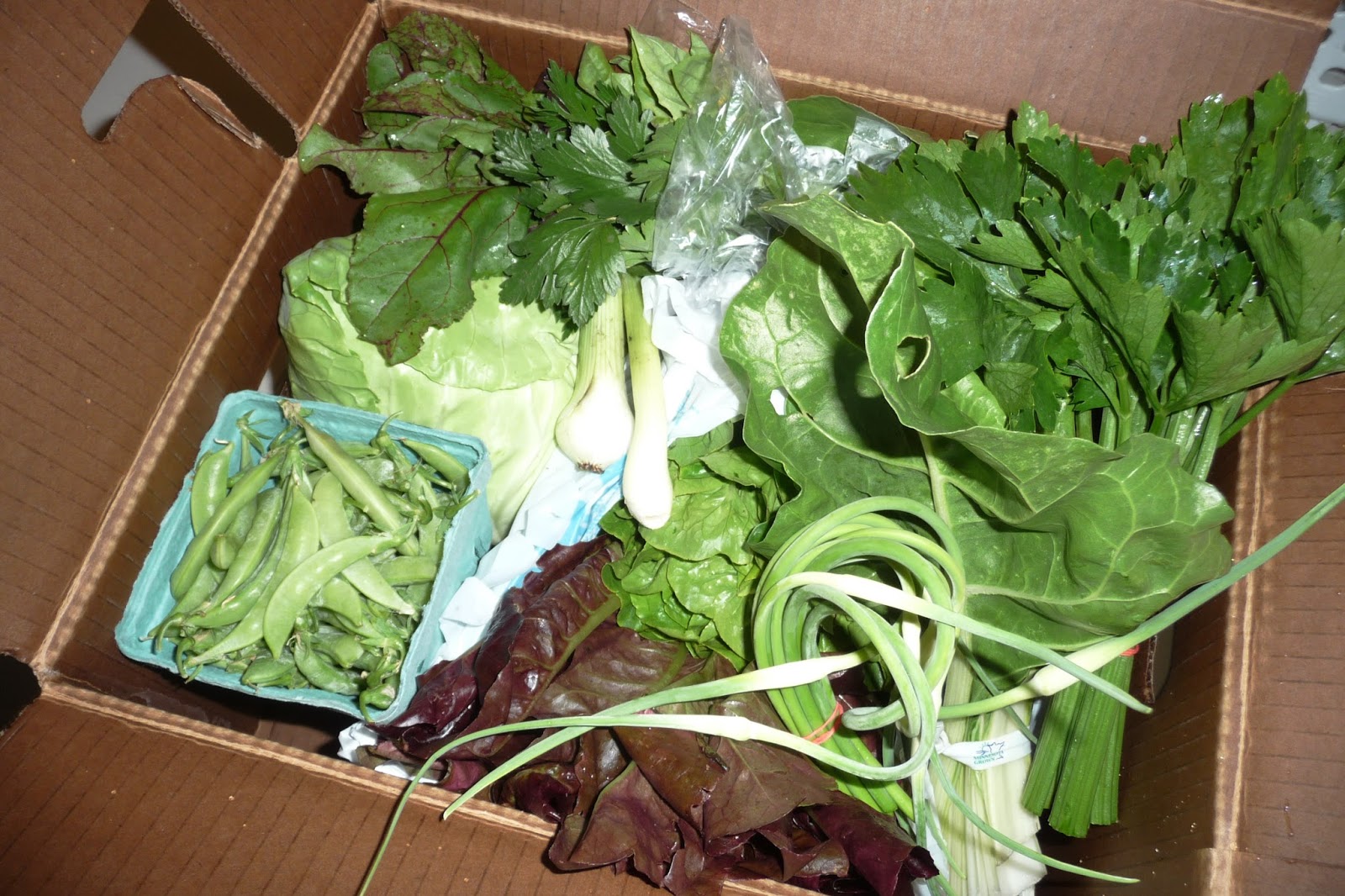
CSA Box Week 3, 2013

In 2013 CSA members received 122% of the value invested at sign-up!

For full details head over to our 2014 Shares page.

Note quite sure how CSA works? Check out more information on what CSA is all about.

2014 Order Form


:: Farm Shares ::  
Available in limited quantity, Farm Shares are available in $100 or $150 amounts. Farm Shares are delivered at Monday or Wednesday CSA pick-up and operate sort of like a Farmers' Market that comes to you! We send you a list of available produce, you place an order and we deliver. As an additional perk you can shop at the Saturday Farmers' Market, with no need to bring cash.

For full details go to our 2014 Shares page.


:: Other Offerings ::  

Budding Farmers Program :: 10% off Sign-up during January. You sign up with Budding Farmers and ARF simply distributes the materials. This is a great program we are happy to offer to CSA and Farm Share Members for delivery with their Shares, or non-members to pick up at Saturday market. See our blog post for more details.

CSA Home//Workplace Delivery :: Get your CSA Share delivered right to your door--literally! We are happy to make a custom delivery for any CSA member for just $25 Full Share or $13 Half Share.

CSA Boosters :: For CSA members only, a couple options to expand your CSA Share, or enhance your CSA experience. Try the Herb Booster if you are wild about herbs. Choose the Apple Booster if you just can't get enough apples. All CSA Members do get herbs and apples, this simply gives the option of getting larger amounts. See our 2014 Shares information for full details and cost.

Apple Shares :: A few of you participated in our first Apple Shares last year. We will be doing them again for 2014. Sign-up for Apple Shares will be in August. Shares will again be limited.

:: Farmers' Market ::  
You can find us at the Saturday Farmers' Market again this season! We're still waiting for details about the market location, as Runnings has moved, so stay tuned. Saturdays 9-Noon, July-October.

Brooke and John at the New Ulm Farmers' Market
P.S. We are applying for Organic certification this year! Super awesome. It's a three-year transition time and our three years is up in October! It's a very exciting time for our farm, and organic agriculture as a movement.

Thursday, January 2, 2014

Budding Farmers Sign Up Open!

Alternative Roots Farm is once again partnering with the Budding Farmers Program for the 2014 season. Materials can be delivered directly with CSA and Farm Share deliveries, or for non-members pick up will be available at the Saturday New Ulm Farmers' Market (no purchase necessary). Our goal is to provide this great program to as many people as possible, regardless if you are a member or not. 

This is a great program to consider for your children, grandchildren, day care kids, classroom and more!

The Budding Farmers program teaches children (Budding Farmers) about the fruits and vegetables we grow. It is perfect for Pre-K through Elementary aged children. For 8 weeks during the season, you will receive take home nutrition information, fun facts, growing guides, science projects, recipes, creative activities, and more with your CSA box, or Farm Share order. Each week features a new seasonal fruit or vegetable that is found in your box that week. The program also includes a “Fun Book” binder where weekly materials can be clipped in and organized and a kids-sized tote bag.

Cost is $48 for the season (just $6 a week!).

It’s never too early to teach your kids about healthy seasonal food- through Budding Farmers they will cook, grow, learn, taste, smell, feel, and get creative with the fruits and vegetables we grow just for you!

You can find more information about the program and sign up at www.buddingfarmers.com. To sign up simply fill out their Program Sign Up form and select “Alternative Roots Farm”.


Feel free to pass this information along to anyone you think would be interested!

-Brooke

Wednesday, January 1, 2014

{2013 CSA Season @ a Glance}

Early season CSA box packed with spring goodies.
Happy New Year!

Let's take a look back at the entire 2013 CSA Season with pictures of the weekly CSA boxes and the accompanying newsletters.

2013 was our second year on the farm, delivering CSA and Farm Shares, our first year at the Saturday New Ulm Farmers' Market and our second year in transition to Organic certification. We love what we are doing and are looking forward to all that 2014 has to hold for us!


Other 2013 Blog Highlights:
Muddy Beans, Muddy Boots  {most viewed post of the year}
Field-to-Table: Swiss Chard Gratin  {most viewed recipe post}
Our Seasonal Chef posts were also highly popular, provided by The Land Connection.

French Breakfast radishes, packed for CSA boxes.

Thank you for your support and following our blog! Cheers!